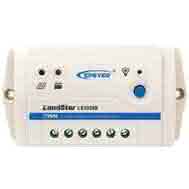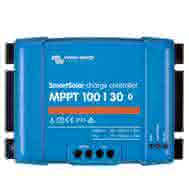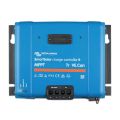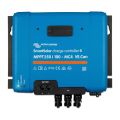




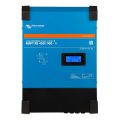
Regulatory ładowania paneli słonecznych PWM i MPPT

Regulatory ładowania słonecznego PWM i MPPT do paneli fotowoltaicznych.

Ensemble Hyper 2000

+ Batterie AB2000S

Plein tarif 1356 €

959

Livraison gratuite

  • Batterie AB2000S
  • Onduleur Hyper 2000
Ładowanie...
  1. 4.3
    2298 € Savings per year
    4577 kWh Annual production
    Unit price including VAT 18,42 €
  2. 5
    2298 € Savings per year
    4577 kWh Annual production
    Unit price including VAT 25,20 €
  3. 5
    2298 € Savings per year
    4577 kWh Annual production
    Unit price including VAT 25,20 €
  4. 5
    2298 € Savings per year
    4577 kWh Annual production
    Unit price including VAT 434,71 €
  5. 4.5
    2298 € Savings per year
    4577 kWh Annual production
    Unit price including VAT 444,60 €
  6. 5
    2298 € Savings per year
    4577 kWh Annual production
    Unit price including VAT 496,80 €
  7. Ensemble Hyper 2000

    + Batterie AB2000S

    Plein tarif 1356 €

    959

    Livraison gratuite

    • Batterie AB2000S
    • Onduleur Hyper 2000
  8. 4.5
    2298 € Savings per year
    4577 kWh Annual production
    Unit price including VAT 505,80 €
  9. 4.5
    2298 € Savings per year
    4577 kWh Annual production
    Unit price including VAT 527,40 €
  10. 5
    2298 € Savings per year
    4577 kWh Annual production
    Unit price including VAT 588,60 €
  11. 4.5
    2298 € Savings per year
    4577 kWh Annual production
    Unit price including VAT 597,60 €
  12. 5
    2298 € Savings per year
    4577 kWh Annual production
    Unit price including VAT 1 063,80 €

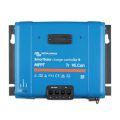
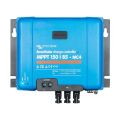
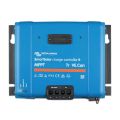
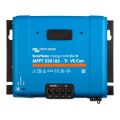
Regulator ładowania słonecznego jest jednym z głównych elementów instalacji fotowoltaicznej. Jego rolą jest usprawnienie procesu ładowania akumulatorów.

Istnieją dwie różne technologie regulatorów ładowania:
-Regulator PWM dostępny w bardziej przystępnej cenie (od 28 €) jest przeznaczony dla małych instalacji do 150 Wc i reguluje wyłącznie napięcie dostarczane do zestawu akumulatorów.
-Regulator MPPT stale skanuje napięcie (V) i natężenie (A) dostarczane przez panel(e) fotowoltaiczne i automatycznie je moduluję, aby ładować akumulatory z maksymalną wydajnością i minimalnymi stratami. Pozwala to na uzyskanie wydajności o około 30% wyższej w porównaniu do regulatora PWM.